
Afterlife & Legacy Planning in Singapore


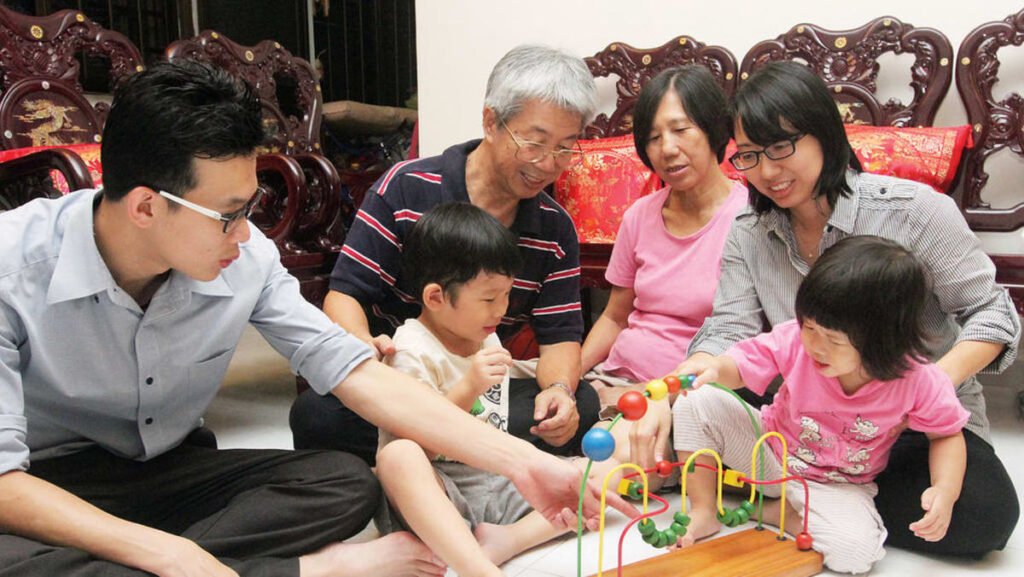
Afterlife and legacy planning is the process of thinking ahead about care, decisions, and arrangements — so families are not forced to make difficult choices during moments of uncertainty or grief.
It is not about predicting the future. It is about reducing confusion, conflict, and emotional burden when important decisions eventually arise.
In Singapore, afterlife and legacy planning commonly involves three key frameworks: Advance Care Planning (ACP), Lasting Power of Attorney (LPA), and Advance Medical Directive (AMD). Each serves a different purpose — and together they create clarity across medical, personal, and legal decisions.
Summary (Quick Take)
If you only read one section, read this:
- Afterlife & legacy planning helps families avoid rushed decisions during crisis moments
- A good plan reduces stress in 3 areas: decisions, documents, and family alignment
- ACP clarifies values and preferences for future care
- LPA appoints trusted people to act if mental capacity is lost
- AMD records a specific medical directive under defined medical conditions
- Planning early is not pessimistic — it is an act of care
Why Afterlife & Legacy Planning Matters (Singapore Context)
Many families only begin planning when a crisis occurs — sudden illness, loss of mental capacity, or end-of-life situations.
At that point:
- decisions must be made quickly,
- emotions are high,
- family members may disagree,
- and important documents may not be easy to locate.
Afterlife and legacy planning allows these conversations to happen earlier, calmly, and on one’s own terms.
It helps to:
- reduce uncertainty for loved ones
- prevent misunderstandings or disputes
- ensure personal values are respected
- give families confidence when acting on your behalf
Planning early is not pessimistic. For many Singapore families, it is a meaningful form of responsibility and care.
How ACP, LPA, and AMD Fit Together (Simple Explanation)
Although ACP, LPA, and AMD are often mentioned together, they address different parts of planning. Understanding how they fit together helps families avoid confusion.
ACP: Values and Preferences
Advance Care Planning (ACP) focuses on what matters to you.
It helps you reflect on your values, priorities, and wishes regarding future care — especially if you may be unable to communicate during serious illness.
ACP supports families and healthcare professionals by reducing guesswork and guilt.
Learn more about ACP in Singapore here:
→ Advance Care Planning (ACP) in Singapore
LPA: Decision-Makers
Lasting Power of Attorney (LPA) is a formal legal document.
It allows you to appoint trusted individuals to make decisions on your behalf if you lose mental capacity. These decisions may include personal welfare and (if chosen) property and financial matters.
LPA focuses on who decides, not what decisions should be made.
Learn more about LPA in Singapore here:
→ Lasting Power of Attorney (LPA) in Singapore
AMD: Specific Medical Instructions
Advance Medical Directive (AMD) relates specifically to medical treatment in end-of-life situations.
It allows you to state in advance that you do not wish to receive extraordinary life-sustaining treatment if you are terminally ill and unconscious, with no chance of recovery.
AMD applies only under specific medical conditions and is separate from ACP and LPA.
Learn more about AMD in Singapore here:
→ Advance Medical Directive (AMD) in Singapore
One Framework, Three Roles (The Simplest Way to Remember)
Together, ACP, LPA, and AMD form a complementary framework:
- ACP clarifies your values and preferences
- LPA appoints people to act for you
- AMD records a specific medical directive
None replaces the others. Each addresses a different layer of planning.
Beyond Documents: Emotional and Family Readiness
Afterlife and legacy planning is not only about forms.
Many families struggle not because documents are missing — but because conversations were never had.
Unspoken assumptions, differing expectations, and emotional stress can make already difficult moments harder.
Planning earlier creates space for:
- open family conversations
- alignment between personal wishes and family understanding
- emotional preparedness (not just administrative readiness)
This process can be gradual. It does not need to be rushed or completed all at once.
Where Memorial Planning Fits In (Optional, Not Mandatory)
For some families, legacy planning also includes thinking about afterlife arrangements, such as memorial preferences and cultural considerations.
These discussions are deeply personal and often tied to family values and traditions. Addressing them early can reduce uncertainty later and ensure arrangements are handled with dignity and respect.
Memorial planning is not a requirement of ACP, LPA, or AMD. It is simply another aspect of preparing thoughtfully — when and if one is ready.
A Practical Checklist (What Families Can Prepare First)
You do not need to complete everything to be “prepared”.
Here is what many Singapore families find most helpful to start with:
Planning checklist
- Identify the main decision-maker(s) for the family
- Clarify what the person values most (comfort, dignity, independence, family time)
- Discuss broad care preferences (ACP discussion)
- Consider who should act if capacity is lost (LPA consideration)
- Understand what AMD covers (only if relevant)
- Keep important documents organised and findable
- Ensure siblings and family members have a shared understanding
Taking the First Step (A Calm Starting Point)
There is no single “right order” to begin.
Some people start by clarifying values through ACP.
Others begin by appointing decision-makers through LPA.
Some prefer to understand everything first before taking action.
What matters most is that planning is done calmly, intentionally, and with clarity.
Gentle next step
Need guidance on where to begin?
We provide educational guidance to help individuals and families understand afterlife and legacy planning — and how ACP, LPA, and AMD fit together — so decisions are made with confidence, not pressure.
FAQs
1) What is afterlife and legacy planning in Singapore?
It is the process of thinking ahead about care, decisions, and arrangements so families can avoid confusion and emotional burden during illness, incapacity, or end-of-life situations.
2) Is afterlife planning only for elderly people?
No. Many families begin planning earlier to reduce stress and ensure preferences are understood clearly, especially when family dynamics are complex.
3) What is the difference between ACP, LPA and AMD?
ACP clarifies care values and preferences, LPA appoints decision-makers if mental capacity is lost, and AMD records a specific medical directive under defined medical conditions. They serve different roles.
4) Do I need ACP, LPA and AMD together?
Not necessarily. Each tool serves a different purpose, and what matters is choosing what fits your situation calmly and intentionally.
5) What should families do first if they don’t know where to start?
Start with a calm family conversation: what matters most, who should coordinate decisions, and where important documents are kept.
6) Will planning early make family conversations uncomfortable?
It can feel sensitive at first, but calm planning usually reduces long-term stress. Many families find relief once expectations become clearer.
7) How do I talk about this without sounding “unlucky”?
Use gentle future-based framing: “In future, if anything happens…” and focus on care, dignity, and reducing burden on family.
Need guidance on where to begin?
We provide educational guidance to help individuals and families understand afterlife and legacy planning, and how ACP, LPA, and AMD fit together — so decisions are made with confidence, not pressure.
Prefer a simple message instead?